
Introduction
Cybersecurity breaking news continues to dominate headlines as hackers, scammers, and cybercriminal groups launch advanced attacks against businesses, governments, schools, and everyday internet users. From ransomware incidents to large-scale data breaches, the digital world faces new risks almost every day. As technology grows faster, cyber threats also become more dangerous, organized, and difficult to stop.
Today, people rely on smartphones, cloud platforms, online banking, social media, and remote work systems more than ever before. Unfortunately, this digital convenience also creates more opportunities for cybercriminals to steal data, spread malware, and exploit security weaknesses. Recent cybersecurity breaking news reports reveal that attacks are no longer limited to major corporations. Small businesses and individual users are also common targets.
Understanding the latest threats is essential for beginners and intermediate users who want to stay safe online. Learning how cyberattacks work can help prevent financial losses, identity theft, and serious privacy problems. Moreover, cybersecurity awareness allows organizations to build stronger protection systems and respond quickly to emerging threats.
This article explains the meaning of cybersecurity breaking news, why it matters, and how modern cyber threats affect users worldwide. It also provides a detailed guide, practical safety tips, benefits, risks, mistakes to avoid, frequently asked questions, and expert recommendations to help readers improve digital security in today’s connected environment.
What is Cybersecurity Breaking News?
Cybersecurity breaking news refers to the latest updates, reports, and developments related to cyber threats, hacking incidents, data breaches, malware attacks, and digital security vulnerabilities. These reports help businesses and individuals stay informed about current online dangers and newly discovered attack methods.
In recent years, cybersecurity breaking news has covered major ransomware attacks, phishing scams, social engineering campaigns, artificial intelligence threats, cloud security failures, and attacks on critical infrastructure. News in this field changes rapidly because cybercriminals constantly develop new techniques to bypass security systems.
For example, a ransomware group may attack hospitals and demand payment to restore access to patient records. Similarly, hackers may exploit software vulnerabilities to steal sensitive company information. Cybersecurity breaking news highlights these incidents so organizations can strengthen defenses before similar attacks spread further.
Additionally, cybersecurity news often includes information about government regulations, security software updates, privacy concerns, and expert recommendations. Staying informed helps internet users understand the changing digital landscape and take proactive steps to remain secure.
Why is Cybersecurity Breaking News Important?
Cybersecurity breaking news is important because it helps people recognize current online threats before becoming victims. Cyberattacks can happen suddenly, and many attacks spread globally within hours. Quick access to cybersecurity information allows users to respond faster and reduce damage.
Businesses depend heavily on digital systems for communication, customer management, financial operations, and data storage. If hackers compromise these systems, companies may face financial losses, legal problems, operational disruptions, and reputational damage. Therefore, following cybersecurity breaking news helps organizations improve preparedness.
Furthermore, cybercriminals frequently target individuals through phishing emails, fake websites, and malicious mobile apps. Many users lose personal information simply because they are unaware of the latest scams. Cybersecurity awareness reduces these risks significantly.
Governments also monitor cybersecurity breaking news to protect national infrastructure such as energy systems, healthcare services, transportation networks, and communication platforms. A successful cyberattack against critical systems can create widespread disruption.
Most importantly, cybersecurity knowledge encourages safer digital habits. People who stay updated are more likely to use strong passwords, enable security features, avoid suspicious links, and install software updates regularly.
Detailed Step-by-Step Guide
Step 1: Stay Updated With Cybersecurity Breaking News
The first step toward online safety is staying informed about current cyber threats. Cybersecurity breaking news provides real-time updates about ransomware attacks, phishing scams, malware campaigns, and data breaches.
Reading reliable cybersecurity reports helps users understand how hackers operate and what methods they commonly use. Businesses should also monitor threat intelligence updates to identify emerging risks before attackers exploit vulnerabilities.
Daily awareness creates stronger digital habits and encourages faster responses to suspicious activity.
Step 2: Use Strong and Unique Passwords
Weak passwords remain one of the biggest causes of cyberattacks. Many users continue using simple passwords across multiple accounts, making it easier for hackers to gain unauthorized access.
Strong passwords should contain uppercase letters, lowercase letters, numbers, and special characters. Additionally, each account should have a different password to prevent attackers from accessing multiple services after one breach.
Password managers can help users generate and store secure passwords safely.
Step 3: Enable Multi-Factor Authentication
Multi-factor authentication adds an extra layer of security beyond passwords. Even if cybercriminals steal login credentials, they may still fail to access accounts without the second verification step.
Most platforms now offer authentication through mobile apps, text messages, or email verification codes. Enabling this feature greatly improves account protection against unauthorized access.
Businesses should require multi-factor authentication for employees handling sensitive data.
Step 4: Keep Software and Devices Updated
Cybersecurity breaking news often reports attacks targeting outdated software. Hackers search for vulnerabilities in operating systems, browsers, and applications that have not received recent security patches.
Installing updates quickly reduces the risk of exploitation. Software developers regularly release patches to fix discovered security weaknesses.
Automatic updates can help users maintain stronger protection without manually checking every application.
Step 5: Learn to Identify Phishing Attacks
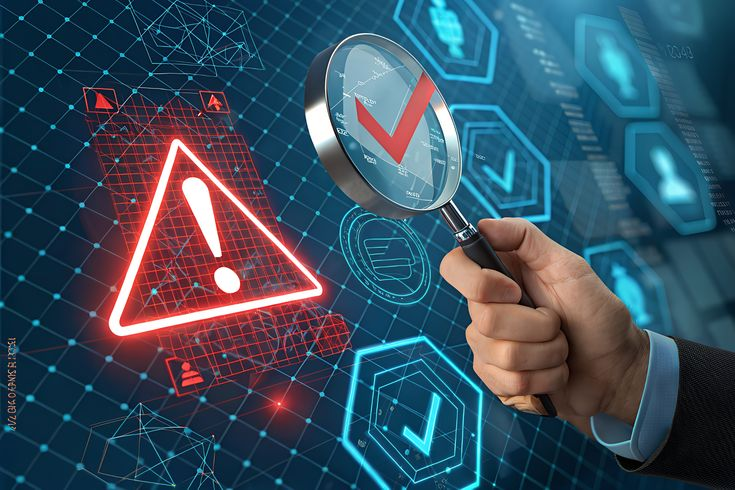
Phishing remains one of the most common cyber threats worldwide. Attackers create fake emails, websites, and messages designed to trick users into revealing passwords, banking details, or personal information.
Users should avoid clicking suspicious links or downloading unexpected attachments. It is also important to verify sender information carefully before responding to emails requesting confidential data.
Cybersecurity breaking news frequently highlights sophisticated phishing campaigns targeting businesses and consumers.
Step 6: Protect Personal and Business Data
Data protection is essential in modern cybersecurity. Sensitive files should be encrypted and backed up regularly to prevent losses caused by ransomware attacks or system failures.
Cloud storage services often include security features such as encryption and access controls. However, users must configure these settings properly to maximize protection.
Organizations should limit access to confidential information based on employee roles and responsibilities.
Step 7: Use Trusted Security Software
Reliable antivirus and anti-malware programs help detect suspicious activity and block harmful files before they damage systems.
Security software should include features such as real-time scanning, firewall protection, phishing detection, and ransomware prevention. Businesses may also require advanced endpoint protection systems for broader network security.
Regular security scans help identify hidden threats that may otherwise remain unnoticed.
Step 8: Avoid Public Wi-Fi Risks
Public Wi-Fi networks in cafes, airports, and hotels often lack proper security protections. Cybercriminals may monitor unsecured networks to steal personal information or login credentials.
Using a virtual private network can help encrypt internet traffic and improve online privacy. Users should also avoid accessing sensitive accounts while connected to unknown public networks.
Secure browsing habits reduce exposure to cyber threats significantly.
Step 9: Train Employees and Family Members
Human error remains a major cybersecurity weakness. Many attacks succeed because users unknowingly click malicious links or share confidential information.
Organizations should provide regular cybersecurity training sessions to employees. Families should also educate children and older adults about online safety risks.
Cybersecurity breaking news can serve as a useful educational tool by demonstrating real-world attack examples.
Step 10: Create an Incident Response Plan
Even strong security systems cannot guarantee complete protection. Therefore, businesses should prepare for potential cyber incidents in advance.
An incident response plan outlines steps for detecting attacks, containing damage, restoring systems, and communicating with affected parties. Quick responses often reduce financial and operational losses.
Testing response plans regularly helps organizations improve preparedness during emergencies.
Benefits of Cybersecurity Breaking News
- Helps users stay informed about emerging cyber threats
- Encourages safer online behavior and stronger security habits
- Reduces the risk of phishing attacks and scams
- Supports businesses in improving security strategies
- Increases awareness about ransomware and malware dangers
- Promotes faster software updates and vulnerability management
- Protects financial information and personal privacy
- Assists organizations in regulatory compliance efforts
- Strengthens public understanding of digital security issues
- Improves incident response planning and threat detection
Disadvantages and Risks
- Constant cybersecurity news may create unnecessary panic among users
- Some reports spread misinformation or exaggerated claims
- Businesses may face reputational damage after publicized attacks
- Cybercriminals sometimes gain attention through media coverage
- Security updates can become overwhelming for beginners
- Smaller companies may struggle to afford advanced cybersecurity solutions
- False security confidence may develop after installing basic protection tools
- Attack methods evolve rapidly, making defense strategies outdated quickly
Common Mistakes to Avoid
One common mistake is ignoring cybersecurity breaking news completely. Many users believe cyberattacks only affect large companies, but individuals are frequent targets as well.
Another major mistake involves reusing passwords across multiple accounts. If hackers compromise one account, they may gain access to others using the same credentials.
People also often delay software updates because they seem inconvenient. However, outdated applications can contain serious security vulnerabilities.
Clicking unknown links and opening suspicious email attachments remains another dangerous habit. Cybercriminals regularly disguise malware as invoices, shipping notices, or urgent account warnings.
Some businesses fail to train employees properly. Even advanced security systems become ineffective if users cannot recognize phishing attempts or social engineering tactics.
In addition, many individuals neglect data backups until ransomware attacks occur. Regular backups are essential for recovering important files after cyber incidents.
Finally, relying only on antivirus software is a mistake. Effective cybersecurity requires multiple layers of protection, including awareness, authentication, encryption, and network monitoring.
FAQs
1. What are the latest cybersecurity threats today?
Current cybersecurity threats include ransomware attacks, phishing scams, artificial intelligence-powered malware, cloud security breaches, social engineering attacks, and credential theft campaigns. Cybersecurity breaking news regularly reports new attack methods targeting both businesses and individuals.
2. Why do hackers target small businesses?
Small businesses often have weaker security systems compared to large corporations. Many lack dedicated cybersecurity teams, making them easier targets for cybercriminals seeking financial information, customer data, or ransomware payments.
3. How can individuals improve online security?
Individuals can improve online security by using strong passwords, enabling multi-factor authentication, avoiding suspicious links, updating software regularly, and staying informed about cybersecurity breaking news and emerging scams.
4. What is ransomware?
Ransomware is malicious software that locks or encrypts files until victims pay money to attackers. These attacks can disrupt businesses, hospitals, schools, and government organizations. Regular backups and security updates help reduce ransomware risks.
5. Is antivirus software enough for protection?
No, antivirus software alone is not enough. Effective cybersecurity requires multiple layers of defense, including employee training, secure passwords, data encryption, software updates, and network monitoring.
6. Why is cybersecurity awareness important?
Cybersecurity awareness helps users recognize threats before becoming victims. Informed users are more likely to avoid phishing scams, protect sensitive information, and respond quickly to suspicious activity.
7. Can smartphones be hacked?
Yes, smartphones can be hacked through malicious apps, phishing links, fake Wi-Fi networks, and outdated operating systems. Users should download apps only from trusted sources and keep devices updated regularly.
8. What should businesses do after a cyberattack?
Businesses should isolate affected systems, investigate the incident, restore backups, notify relevant parties, strengthen security controls, and review response procedures to prevent future attacks.
Expert Tips and Bonus Points
Cybersecurity experts recommend developing a proactive security mindset rather than reacting only after incidents occur. Prevention is usually more effective and less expensive than recovery.
Users should regularly review account activity and security settings across all important platforms. Early detection often prevents larger problems.
Businesses can improve protection by conducting penetration testing and vulnerability assessments. These processes identify weaknesses before hackers exploit them.
Another useful strategy involves limiting unnecessary data collection. The less sensitive information stored online, the lower the potential damage during breaches.
Experts also encourage organizations to segment networks so attackers cannot easily access all systems after breaching one area.
Using artificial intelligence tools for threat detection has become increasingly common. These systems analyze unusual behavior patterns and identify suspicious activity faster than traditional methods.
Cybersecurity breaking news also shows the growing importance of remote work security. Employees working from home should use secure internet connections, company-approved devices, and encrypted communication tools.
Finally, maintaining regular backups remains one of the simplest yet most effective cybersecurity practices. Offline backups provide critical protection during ransomware incidents.
Conclusion
Cybersecurity breaking news highlights the growing challenges facing the modern digital world. As technology becomes more advanced, cybercriminals continue developing new ways to exploit vulnerabilities, steal sensitive information, and disrupt online systems. These threats affect individuals, businesses, governments, and organizations of every size.
Understanding current cyber risks is no longer optional. Internet users must stay informed about phishing scams, ransomware attacks, malware campaigns, cloud vulnerabilities, and social engineering tactics. Knowledge and awareness are essential for preventing financial losses, protecting personal privacy, and maintaining secure digital environments.
Fortunately, strong cybersecurity habits can significantly reduce risks. Using unique passwords, enabling multi-factor authentication, updating software regularly, backing up important data, and avoiding suspicious links all contribute to better online protection. Businesses must also invest in employee training, security planning, and advanced defense strategies to reduce exposure to cyber threats.
Cybersecurity breaking news serves as a valuable resource for learning about emerging attacks and evolving security trends. Staying updated helps users make smarter decisions and respond quickly to potential threats.
As digital technology continues shaping everyday life, cybersecurity will remain a critical priority for the future. People who develop strong security awareness today will be better prepared to navigate tomorrow’s increasingly connected and challenging online environment safely, confidently, and responsibly.