
Introduction
Graphics cards have become one of the most important components in modern computers. Whether you enjoy gaming, video editing, 3D rendering, live streaming, or artificial intelligence applications, a powerful graphics card can significantly improve performance. The market offers a wide range of options, from budget-friendly GPUs for casual users to high-end models designed for enthusiasts and professionals.
Choosing the best graphics card can be confusing for beginners because there are numerous specifications, brands, and performance levels to consider. Factors such as VRAM, clock speed, cooling systems, ray tracing capabilities, and power consumption all influence a card’s overall performance. Understanding these elements helps buyers make smarter purchasing decisions and avoid wasting money on features they may never use.
Interestingly, many users researching graphics cards also use free SEO tools to compare product reviews, analyze benchmarks, and discover the latest technology trends online. Combining reliable hardware information with free SEO tools can help users find trustworthy sources and make informed choices.
This guide explains everything beginners need to know about graphics cards, including how they work, why they matter, how to select the right model, their benefits and disadvantages, common mistakes to avoid, frequently asked questions, and expert buying tips.
What is Best Graphics Cards?
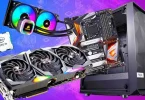
Graphics cards, commonly called GPUs (Graphics Processing Units), are specialized hardware components designed to process and render images, videos, and animations. They handle visual tasks that would otherwise place heavy demands on the computer’s processor.
The best graphics cards are those that provide excellent performance, reliability, efficiency, and value for specific user needs. For example, a gamer may prefer a high-performance GPU capable of delivering smooth frame rates at ultra settings, while a content creator may prioritize rendering speed and memory capacity. The ideal graphics card depends on budget, intended use, and system compatibility.
Modern graphics cards are manufactured primarily by NVIDIA, AMD, and Intel. These companies offer products across multiple performance categories, making it easier for users to find solutions that match their requirements. Understanding the strengths of each option allows buyers to maximize performance without overspending.
Why is Best Graphics Cards Important?

A graphics card plays a critical role in determining how smoothly visual applications run. Without a capable GPU, demanding games and professional software may experience lag, stuttering, or reduced image quality. As modern software becomes more advanced, the need for powerful graphics processing continues to grow.
The best graphics cards improve gaming experiences by delivering higher frame rates, better visual effects, and support for advanced technologies such as ray tracing and AI-enhanced graphics. They also accelerate professional workloads, including video editing, 3D modeling, engineering simulations, and machine learning tasks.
Another reason graphics cards are important is future-proofing. Investing in a capable GPU can extend the lifespan of a computer and reduce the need for frequent upgrades. Many users researching hardware upgrades rely on free SEO tools to identify trending GPUs, compare specifications, and discover expert reviews before making a purchase.
Detailed Step-by-Step Guide
Step 1: Determine Your Purpose
Before buying a graphics card, identify how you plan to use your computer. Different tasks require different levels of graphical power.
Gaming users should focus on frame rates and resolution support. Content creators should prioritize VRAM and rendering performance. Professionals using design software may require workstation-grade GPUs with certified drivers.
Step 2: Set a Budget
Graphics cards range from affordable entry-level options to premium enthusiast models. Establishing a budget helps narrow your choices and prevents overspending.
Budget GPUs are suitable for casual gaming and everyday computing. Mid-range cards offer excellent value for most users, while high-end GPUs target enthusiasts seeking maximum performance.
Step 3: Check Compatibility
Verify that your system supports the graphics card you intend to purchase.
Important compatibility factors include:
- Motherboard slot availability
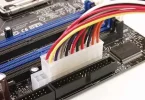
- Power supply wattage
- Physical case space
- Cooling requirements
- CPU compatibility
Ignoring compatibility can lead to installation problems and performance bottlenecks.
Step 4: Understand VRAM Requirements
VRAM (Video Random Access Memory) stores graphical data used during rendering.
General recommendations include:
- 4GB–6GB for basic gaming
- 8GB–12GB for modern gaming
- 16GB+ for professional workloads
- 24GB+ for AI and advanced content creation
More VRAM typically improves performance at higher resolutions and graphical settings.
Step 5: Compare Performance Benchmarks
Performance benchmarks provide objective measurements of a graphics card’s capabilities.
Review trusted benchmark results for:
- Gaming frame rates
- Rendering speed
- Ray tracing performance
- Power efficiency
- Thermal performance
Many enthusiasts use free SEO tools to locate benchmark websites and compare review data from multiple sources.
Step 6: Consider Resolution Requirements
Your monitor resolution significantly impacts GPU requirements.
Typical recommendations include:
- 1080p Gaming: Entry-level to mid-range GPUs
- 1440p Gaming: Mid-range to high-end GPUs
- 4K Gaming: High-end GPUs
- 8K Applications: Enthusiast-grade GPUs
Choosing a GPU that matches your display resolution ensures optimal performance.
Step 7: Evaluate Cooling Solutions
Heat management affects both performance and longevity.
Popular cooling options include:
- Single-fan designs
- Dual-fan coolers
- Triple-fan systems
- Liquid cooling solutions
Better cooling generally results in lower temperatures and quieter operation.
Step 8: Look for Modern Features
Modern graphics cards include advanced technologies that enhance performance and image quality.
Key features include:
- Ray tracing
- DLSS technology
- FSR technology
- AI acceleration
- Hardware encoding
- AV1 support
These technologies improve gaming experiences and professional workflows.
Step 9: Read Reviews and User Feedback
Professional reviews provide benchmark data, while user feedback reveals long-term reliability.
Look for information regarding:
- Build quality
- Noise levels
- Driver stability
- Warranty support
- Thermal performance
Combining expert opinions and customer experiences helps create a balanced purchasing decision.
Step 10: Make the Final Decision
After comparing specifications, performance, compatibility, and pricing, choose the graphics card that offers the best balance of features and value.
Avoid buying solely based on marketing claims. Real-world performance and reliability matter more than flashy advertisements.
Benefits of Best Graphics Cards
The best graphics cards provide numerous advantages for users across different industries and applications.
- Improved gaming performance
- Higher frame rates and smoother gameplay
- Better visual quality and realism
- Enhanced ray tracing capabilities
- Faster video rendering
- Improved 3D modeling performance
- Accelerated AI workloads
- Better streaming quality
- Support for multiple displays
- Future-proof hardware investment
- Faster content creation workflows
- Enhanced virtual reality experiences
- Better productivity in graphics-intensive applications
- Reduced system bottlenecks
- Increased overall computer performance
Disadvantages / Risks
While graphics cards offer significant benefits, they also have certain drawbacks.
- High purchase costs for premium models
- Increased power consumption
- Additional heat generation
- Potential compatibility issues
- Frequent technology changes
- Large physical size requirements
- Driver-related software issues
- Higher system noise under load
- Expensive upgrades
- Risk of counterfeit products
- Limited availability during high demand periods
- Performance bottlenecks if paired with older CPUs
Common Mistakes to Avoid
Many beginners make costly mistakes when buying graphics cards.
One common mistake is purchasing the most expensive GPU without considering actual needs. Many users spend hundreds of dollars on features they never use. Matching the graphics card to your workload provides better value.
Another mistake is ignoring power supply requirements. A powerful GPU may require a higher-wattage PSU, and failing to meet power demands can cause instability.
Many buyers also overlook case dimensions. Some high-end graphics cards are extremely large and may not fit inside compact cases.
Skipping benchmark research is another frequent error. Marketing materials rarely tell the complete story. Reviewing independent performance tests helps buyers make informed decisions.
Users should also avoid focusing solely on VRAM capacity. While memory is important, overall architecture and processing power have a significant impact on performance.
Finally, failing to compare multiple options often leads to poor value purchases. Researching alternatives and using free SEO tools to find updated reviews can help identify better deals and performance-per-dollar opportunities.
FAQs
1. What is the best graphics card for gaming?
The best graphics card depends on your gaming resolution and budget. High-end GPUs are ideal for 4K gaming, while mid-range options provide excellent performance at 1080p and 1440p resolutions.
2. How much VRAM do I need?
For modern gaming, 8GB to 12GB of VRAM is generally sufficient. Professional applications and AI workloads may require 16GB or more depending on project complexity.
3. Is NVIDIA better than AMD?
Both brands offer excellent products. NVIDIA often leads in ray tracing and AI features, while AMD frequently provides strong value and competitive gaming performance.
4. Can a graphics card improve video editing?
Yes. Many editing applications utilize GPU acceleration for rendering, effects processing, and playback performance, resulting in faster workflows.
5. How long does a graphics card last?
A quality graphics card can remain functional for five to eight years or longer. Performance relevance depends on evolving software requirements and gaming expectations.
6. Do I need a graphics card for everyday computing?
Most basic computing tasks can run on integrated graphics. Dedicated graphics cards become beneficial for gaming, content creation, engineering, and other demanding applications.
7. What is ray tracing?
Ray tracing is an advanced rendering technology that simulates realistic lighting, reflections, and shadows, creating more lifelike visual environments.
8. Should I buy a used graphics card?
Used graphics cards can offer value, but buyers should verify condition, warranty status, and usage history before purchasing to minimize risks.
Expert Tips & Bonus Points
Experienced hardware enthusiasts recommend focusing on overall value rather than chasing the highest benchmark scores. A balanced system often performs better than one with an extremely powerful GPU paired with outdated components.
Monitor market trends before purchasing. Prices can fluctuate significantly depending on demand and new product launches. Waiting for sales events can lead to substantial savings.
Keep drivers updated to maximize performance and stability. Manufacturers regularly release updates that improve compatibility and optimize game performance.
Consider future needs when selecting a graphics card. Buying a slightly more powerful model today may delay future upgrade costs and provide better long-term value.
Use trusted review platforms and free SEO tools to discover updated benchmarks, product comparisons, and community recommendations. Reliable research can prevent costly purchasing mistakes.
Pay attention to cooling performance and power efficiency. Lower temperatures contribute to better reliability and quieter operation over time.
Finally, prioritize reputable brands that offer strong warranties and customer support. Long-term reliability is just as important as raw performance.
Conclusion
Choosing the best graphics cards does not have to be complicated. By understanding your requirements, setting a realistic budget, evaluating compatibility, and comparing real-world performance benchmarks, you can confidently select a GPU that delivers excellent value and long-term satisfaction.
Graphics cards play a vital role in modern computing. They power immersive gaming experiences, accelerate professional workloads, support AI applications, and improve overall system responsiveness. Whether you are a beginner building your first PC or an experienced user planning an upgrade, selecting the right graphics card can significantly enhance your computing experience.
The market continues to evolve with new technologies, improved efficiency, and advanced features that push graphical performance to new levels. Staying informed about emerging trends and conducting thorough research before purchasing will help ensure you make the best possible investment.
Many users rely on free SEO tools to discover trusted reviews, compare benchmark data, and identify the latest hardware developments. Combining quality research with a clear understanding of your needs will help you find the perfect graphics card for gaming, productivity, content creation, or professional use. With careful planning and informed decision-making, you can enjoy powerful performance, impressive visuals, and a future-ready computing experience for years to come.