
Introduction
Gaming performance depends on several hardware components, but the processor remains one of the most important. Whether you enjoy competitive esports titles, open-world adventures, simulation games, or content creation alongside gaming, choosing the right CPU can dramatically improve your experience. This is where Gaming CPU Rankings become valuable.
Gaming CPU Rankings help users compare processors based on performance, gaming benchmarks, power efficiency, core count, clock speed, and overall value. Instead of guessing which processor is better, rankings provide clear insights into how CPUs perform in real-world gaming situations. Beginners often struggle to understand processor specifications, making rankings an essential tool for making smarter purchasing decisions.
Interestingly, many gamers use free SEO tools when researching gaming hardware online. These tools help analyze trending gaming topics, discover popular processor comparisons, and identify what gamers are searching for before making purchases. Combining hardware research with free SEO tools can help gamers find the most relevant and updated information.
As gaming technology evolves, manufacturers continue releasing more powerful processors capable of handling demanding games and multitasking workloads. Understanding Gaming CPU Rankings allows users to identify the best processor for their budget and gaming needs. This guide covers everything beginners need to know, from ranking criteria and performance factors to benefits, risks, mistakes, FAQs, and expert recommendations.
What is Gaming CPU Rankings?
Gaming CPU Rankings refer to the systematic comparison and evaluation of processors based on gaming performance and overall efficiency. These rankings are created using benchmark tests, real-world gaming results, productivity measurements, thermal performance, and power consumption data.
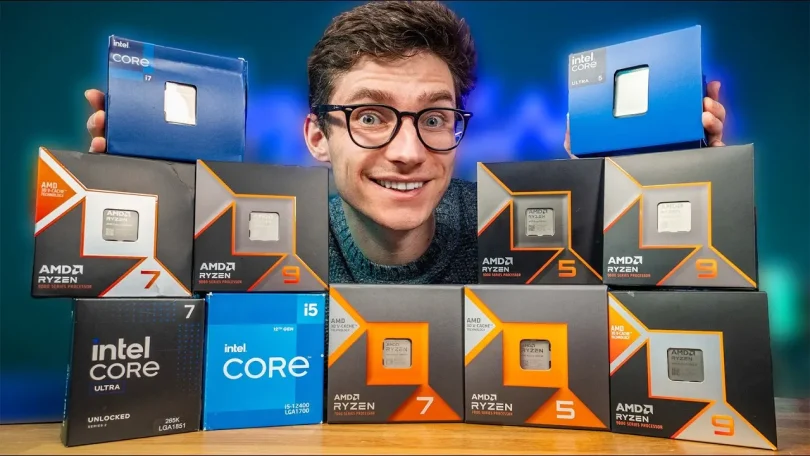
A gaming CPU ranking list typically includes processors from major manufacturers such as AMD and Intel. The rankings help users understand which CPUs deliver the highest frame rates, best multitasking capabilities, and strongest overall value. High-ranking processors often feature advanced architectures, larger cache sizes, faster clock speeds, and superior gaming optimization.
For beginners, processor specifications can be confusing. Terms like threads, cores, cache memory, turbo frequency, and IPC often create uncertainty. Gaming CPU Rankings simplify this information by presenting processors in an easy-to-understand order based on performance. Instead of studying dozens of technical specifications, users can quickly compare options through rankings.
Modern rankings also consider future-proofing. A CPU that performs exceptionally well today may continue delivering strong results for years. Rankings therefore help buyers make investments that remain relevant as newer games become more demanding. By understanding Gaming CPU Rankings, users can confidently select processors that match their gaming goals and budgets.
Why is Gaming CPU Rankings Important?

Gaming CPU Rankings play a crucial role in helping buyers make informed purchasing decisions. The processor market changes rapidly, with new models launching regularly. Without rankings, comparing multiple CPUs would require extensive technical knowledge and research.
Rankings provide a reliable way to identify performance leaders. They show which processors consistently deliver higher frame rates and smoother gameplay across different gaming genres. This helps users avoid spending money on underperforming hardware while ensuring they receive the best possible value.
Another reason rankings are important is budget planning. Not every gamer needs the most expensive processor. Rankings reveal which CPUs offer the strongest price-to-performance ratio. This allows beginners to maximize gaming performance without overspending.
Gaming CPU Rankings also help content creators, streamers, and multitaskers. Many gamers now stream gameplay, edit videos, and run multiple applications simultaneously. Rankings highlight processors capable of handling these workloads efficiently. Additionally, rankings often include power efficiency and thermal performance data, helping users build systems that remain cool, quiet, and energy-efficient over time.
Detailed Step-by-Step Guide
Step 1: Understand What Makes a Gaming CPU Powerful
The first step is understanding the key factors that influence gaming performance. These include clock speed, core count, thread count, cache size, architecture, and IPC (Instructions Per Clock). Higher values generally contribute to better performance, although architecture improvements often matter more than raw numbers.
Modern games increasingly utilize multiple cores, making processors with six or more cores ideal for gaming. However, single-core performance still significantly affects frame rates in many popular titles.
Step 2: Learn How Rankings Are Created
Gaming CPU Rankings are based on benchmark testing. Reviewers test processors across multiple games and productivity applications. Results are averaged to create overall performance scores.
Gaming benchmarks typically measure average FPS, minimum FPS, and frame consistency. Productivity tests may include video editing, rendering, and multitasking workloads. Rankings combine these factors to provide a complete picture of CPU capabilities.
Step 3: Compare AMD and Intel Processors
AMD and Intel dominate the gaming CPU market. AMD processors are known for strong multi-core performance and excellent gaming capabilities. Intel processors often deliver impressive single-core performance and competitive gaming results.
Comparing rankings helps identify which manufacturer currently offers the best value in different price categories. Rather than focusing on brand loyalty, users should evaluate actual performance data.
Step 4: Match the CPU to Your Gaming Goals
Different gamers have different requirements. Casual gamers may only need a mid-range processor, while competitive players benefit from higher-end models capable of delivering maximum frame rates.
Understanding your gaming goals helps narrow down suitable options. Gaming CPU Rankings allow users to identify processors that align with their preferred gaming experiences and budget limitations.
Step 5: Consider GPU Pairing
A processor should complement the graphics card. Pairing a high-end GPU with a weak CPU may create bottlenecks that reduce gaming performance.
Rankings often recommend suitable CPU and GPU combinations. Selecting balanced hardware ensures maximum performance and prevents wasted investment in components that cannot fully utilize each other’s capabilities.
Step 6: Evaluate Future-Proofing
Future-proofing refers to a processor’s ability to remain effective as software requirements increase. CPUs with more cores, larger caches, and modern architectures generally remain relevant longer.
Gaming CPU Rankings frequently highlight processors that offer long-term value. Spending slightly more today may reduce the need for upgrades in the future.
Step 7: Review Thermal and Power Efficiency
Performance is not the only consideration. Efficient processors generate less heat and consume less power, resulting in quieter systems and lower electricity costs.
Modern rankings often include temperature and power consumption metrics. These measurements help users choose processors that balance performance and efficiency.
Step 8: Use Research Resources
Many hardware enthusiasts use free SEO tools to discover trending CPU comparisons, gaming benchmarks, and popular processor reviews. These tools reveal what gamers are researching most frequently and help identify valuable information sources.
Combining benchmark data with insights gathered through free SEO tools can improve purchasing decisions and ensure access to the latest hardware trends.
Step 9: Compare Value for Money
The best gaming CPU is not always the most expensive. Some mid-range processors offer exceptional gaming performance at significantly lower prices.
Gaming CPU Rankings often include value categories that compare cost versus performance. Beginners should pay close attention to these rankings when working with limited budgets.
Step 10: Make an Informed Purchase
After reviewing rankings, comparing benchmarks, considering future needs, and evaluating system compatibility, users can confidently choose a processor.
A well-researched purchase results in better gaming performance, improved system longevity, and greater overall satisfaction.
Benefits of Gaming CPU Rankings
- Simplifies processor comparisons for beginners.
- Helps identify the best-performing gaming CPUs.
- Saves time during hardware research.
- Improves purchasing confidence.
- Reveals value-for-money processors.
- Highlights future-proof options.
- Reduces the risk of buying outdated hardware.
- Provides benchmark-based performance insights.
- Assists with balanced PC building.
- Helps gamers maximize frame rates.
- Supports smarter budget allocation.
- Makes technical specifications easier to understand.
- Identifies efficient processors with lower power consumption.
- Helps content creators choose multitasking-friendly CPUs.
- Encourages informed long-term investments.
Disadvantages / Risks
- Rankings can become outdated quickly.
- Some rankings prioritize benchmarks over real-world use.
- Different testing methods may produce different results.
- Performance differences may be minimal between top-ranked CPUs.
- Budget considerations are not always emphasized.
- Rankings may not reflect specific game preferences.
- Marketing influence can affect certain ranking sources.
- Future software updates can alter performance outcomes.
- Regional pricing differences may affect value calculations.
- Users may focus solely on rankings without considering compatibility.
Common Mistakes to Avoid
Many beginners purchase processors based solely on brand reputation instead of actual performance data. This can lead to overspending or selecting a CPU that does not meet gaming needs.
Another common mistake is ignoring motherboard compatibility. A processor may rank highly but require a different motherboard platform, increasing overall upgrade costs.
Users often overlook cooling requirements. High-performance CPUs may need advanced cooling solutions, adding extra expense to a gaming build.
Some gamers buy excessive processing power that they never fully utilize. Understanding actual gaming requirements prevents unnecessary spending and ensures better value.
Ignoring GPU balance is another frequent mistake. A powerful processor paired with a weak graphics card limits gaming performance. Both components should complement each other.
Failing to consider future upgrades can also be costly. Choosing a processor solely for current needs may require an earlier replacement as gaming demands increase.
FAQs
1. What is the most important factor in Gaming CPU Rankings?
Gaming performance is usually the most important factor. Rankings often prioritize frame rates, responsiveness, and overall gaming experience while also considering productivity performance and efficiency.
2. Are expensive CPUs always better for gaming?
Not necessarily. Some mid-range processors provide excellent gaming performance and better value than premium models. Rankings help identify these cost-effective options.
3. How often do Gaming CPU Rankings change?
Rankings change whenever new processors are released or benchmark methodologies are updated. Checking updated rankings regularly ensures access to the latest information.
4. Do more cores always improve gaming performance?
Not always. While modern games benefit from multiple cores, single-core performance remains important. Balanced processors with strong architecture often outperform CPUs with excessive cores.
5. Can Gaming CPU Rankings help content creators?
Yes. Many rankings include productivity benchmarks that evaluate video editing, streaming, rendering, and multitasking performance, making them useful for creators.
6. How do free SEO tools relate to gaming hardware research?
Free SEO tools help users discover trending processor comparisons, gaming topics, and popular hardware searches. This information can support better research and purchasing decisions.
7. Which brand ranks higher for gaming, AMD or Intel?
Both manufacturers produce excellent gaming processors. Rankings vary depending on generation, price range, and testing methodology. Comparing current benchmark results provides the most accurate answer.
8. Should beginners rely entirely on rankings?
Rankings are valuable, but users should also consider budget, compatibility, cooling requirements, future upgrades, and personal gaming preferences.
Expert Tips & Bonus Points
Always check multiple ranking sources before making a purchase. Different reviewers may use unique testing methods that reveal additional insights.
Focus on real-world gaming benchmarks rather than synthetic tests alone. Actual gameplay results provide a more accurate representation of performance.
Consider total platform costs. A slightly cheaper processor may require a more expensive motherboard, reducing overall value.
Monitor gaming trends using free SEO tools. These tools can reveal which processors gamers are researching and discussing most frequently.
Choose processors with upgrade paths whenever possible. Future CPU upgrades become easier when compatible motherboard platforms are available.
Invest in adequate cooling. Even highly ranked processors perform better when operating at optimal temperatures.
Prioritize balanced systems rather than chasing the highest ranking. A well-balanced gaming PC often delivers better overall performance than one focused solely on CPU power.
Keep BIOS and drivers updated. Software improvements can enhance processor stability, compatibility, and gaming performance over time.
Conclusion
Gaming CPU Rankings provide one of the most effective ways for beginners to understand processor performance and make informed purchasing decisions. Instead of navigating complex technical specifications, users can rely on benchmark-based rankings to compare processors across various gaming scenarios. These rankings simplify the selection process and help identify CPUs that offer the best combination of performance, efficiency, and value.
As gaming technology continues advancing, choosing the right processor becomes increasingly important. A powerful CPU can improve frame rates, reduce stuttering, support multitasking, and enhance overall system responsiveness. However, selecting the best processor requires more than simply buying the most expensive model. Understanding ranking criteria, evaluating real-world performance, and considering budget limitations are essential steps toward making the right choice.
Many gamers also benefit from using free SEO tools during their research process. These tools help uncover popular hardware discussions, trending processor comparisons, and valuable gaming insights. Combining ranking data with research-driven analysis creates a more complete understanding of available options.
Ultimately, Gaming CPU Rankings serve as a practical guide for navigating the processor market. Whether building a new gaming PC or upgrading an existing system, understanding rankings allows users to invest wisely, maximize performance, and enjoy a smoother gaming experience for years to come.