
Introduction
PC cooling systems play a crucial role in maintaining the performance, stability, and lifespan of a computer. Whether you use your PC for gaming, content creation, office work, or everyday browsing, heat is generated by components such as the CPU, GPU, motherboard, and power supply. If this heat is not managed properly, it can lead to slower performance, unexpected shutdowns, hardware damage, and reduced system lifespan.
Modern computers are becoming more powerful than ever before. High-performance processors and graphics cards can generate significant amounts of heat during demanding tasks. This is where effective cooling solutions become essential. A properly cooled system ensures that your hardware operates within safe temperature limits while maintaining optimal performance.
Many beginners assume that cooling only matters for gaming computers, but every PC benefits from proper airflow and temperature management. Understanding how cooling systems work can help you make better hardware decisions, improve system efficiency, and avoid costly repairs.
Interestingly, many enthusiasts use free SEO tools to research technology trends and compare PC hardware specifications before purchasing cooling components. By combining proper research with effective cooling solutions, users can build reliable and long-lasting systems.
This comprehensive guide explains everything beginners need to know about PC cooling systems, including their importance, types, installation process, benefits, risks, common mistakes, and expert recommendations.
What is PC Cooling Systems?
PC cooling systems are technologies and components designed to remove excess heat generated by computer hardware. Every electronic component produces heat while operating. Without proper cooling, temperatures can rise to dangerous levels, affecting performance and hardware reliability.
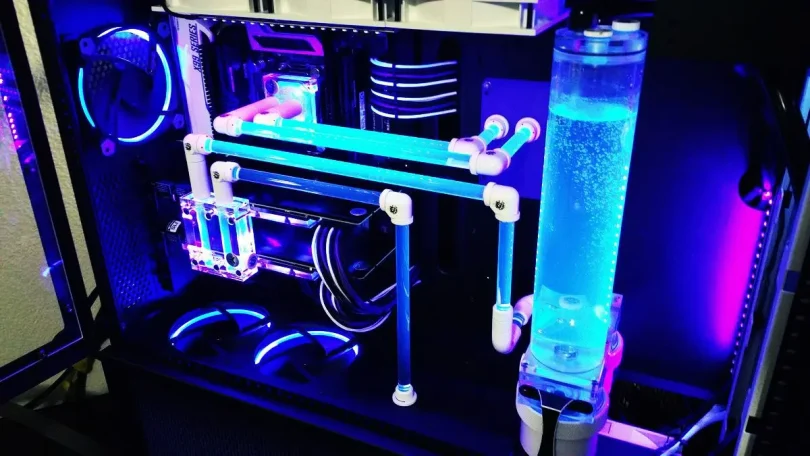
A cooling system works by transferring heat away from components and dissipating it into the surrounding environment. The most common cooling methods include air cooling and liquid cooling. Air cooling uses fans and heatsinks, while liquid cooling uses coolant, pumps, and radiators to transport heat more efficiently.
Modern cooling systems are specifically designed to keep critical components such as CPUs, GPUs, storage drives, and voltage regulators within safe operating temperatures. Efficient cooling prevents thermal throttling, a process where hardware automatically reduces performance to avoid overheating.
For beginners, understanding cooling systems is essential because proper temperature management directly impacts computer speed, stability, and longevity. Even the most powerful hardware cannot perform at its best if temperatures become excessive.
Why is PC Cooling Systems Important?

Heat is one of the biggest enemies of computer hardware. Excessive temperatures can cause system instability, reduced performance, and permanent damage to expensive components. Effective cooling ensures that hardware operates within manufacturer-recommended temperature ranges.
A properly cooled PC maintains consistent performance even during demanding workloads. Gamers, video editors, programmers, and professionals often push their systems to maximum capacity. Without adequate cooling, processors and graphics cards may throttle performance to reduce heat output.
Cooling systems also improve component lifespan. Constant exposure to high temperatures accelerates wear and tear on electronic parts. Lower operating temperatures reduce stress on components, helping them last longer and function more reliably.
Another important reason for proper cooling is system stability. Overheating can cause crashes, freezes, blue screens, and unexpected shutdowns. Effective cooling minimizes these issues and creates a smoother computing experience.
Many users who rely on free SEO tools, productivity software, and resource-intensive applications simultaneously often overlook cooling requirements. Proper thermal management ensures smooth multitasking and uninterrupted productivity.
Detailed Step-by-Step Guide
Step 1: Understand Your Cooling Needs
Before selecting a cooling system, identify how you use your computer. Office users typically require basic cooling, while gamers and content creators need more advanced solutions.
Evaluate factors such as CPU power consumption, GPU performance, case size, and ambient room temperature. These factors determine the cooling capacity your system requires.
Step 2: Choose Between Air Cooling and Liquid Cooling
Air cooling is the most common cooling method. It uses heatsinks and fans to dissipate heat. Air coolers are affordable, reliable, easy to install, and suitable for most users.
Liquid cooling uses coolant to transfer heat away from components. It generally provides better thermal performance and quieter operation but comes at a higher cost and increased installation complexity.
Beginners often find air cooling to be the best balance between performance, affordability, and simplicity.
Step 3: Select the Right CPU Cooler
The CPU generates significant heat during operation. Choosing the right cooler is essential for maintaining stable temperatures.
Consider factors such as processor thermal design power (TDP), case clearance, noise levels, and budget. Larger coolers generally offer better cooling performance but require sufficient space inside the case.
Check compatibility with your motherboard socket before making a purchase.
Step 4: Optimize Case Airflow
Good airflow is critical for effective cooling. Even the best cooler cannot perform efficiently if airflow inside the case is restricted.
Install intake fans at the front of the case and exhaust fans at the rear or top. This configuration creates a consistent airflow path that removes hot air efficiently.
Keep cables organized to prevent airflow obstruction and improve cooling performance.
Step 5: Apply Thermal Paste Correctly
Thermal paste improves heat transfer between the CPU and cooler. Applying too much or too little can reduce cooling efficiency.
Use a small pea-sized amount of thermal paste in the center of the processor. When the cooler is installed, the pressure distributes the paste evenly across the surface.
Proper application can significantly improve thermal performance.
Step 6: Monitor System Temperatures
Temperature monitoring helps identify potential cooling issues before they become serious problems.
Use hardware monitoring software to track CPU, GPU, and system temperatures during normal and heavy workloads.
Monitoring allows users to verify cooling effectiveness and make adjustments when necessary.
Step 7: Clean Dust Regularly
Dust accumulation reduces airflow and cooling efficiency. Over time, dust can clog fans, heatsinks, and filters.
Clean your computer every few months using compressed air or soft brushes. Pay special attention to fan blades and radiator fins.
Regular maintenance helps maintain optimal cooling performance.
Step 8: Upgrade Cooling When Necessary
As hardware becomes more powerful, cooling requirements may increase. Upgrading to better fans, larger heatsinks, or liquid cooling can improve thermal performance.
Monitor temperatures after major hardware upgrades and evaluate whether additional cooling is required.
Investing in better cooling often results in improved performance and system longevity.
Benefits of PC Cooling Systems
- Prevents overheating and hardware damage.
- Maintains consistent CPU and GPU performance.
- Reduces thermal throttling.
- Extends component lifespan.
- Improves gaming performance.
- Enhances system stability.
- Reduces unexpected crashes.
- Supports safe overclocking.
- Improves energy efficiency.
- Lowers operating temperatures.
- Helps maintain quiet system operation.
- Protects long-term hardware investments.
- Improves overall user experience.
- Supports heavy workloads effectively.
- Increases reliability during extended use.
Disadvantages / Risks
- High-end cooling systems can be expensive.
- Liquid cooling requires more maintenance.
- Improper installation may reduce effectiveness.
- Additional fans can increase power consumption.
- Poor-quality coolers may create excessive noise.
- Large coolers can cause space limitations.
- Liquid cooling systems may experience leaks.
- RGB cooling components often increase costs.
- Dust buildup can reduce efficiency.
- Incompatible coolers may require replacement.
Common Mistakes to Avoid
Many beginners install multiple fans without considering airflow direction. Incorrect fan orientation can create airflow conflicts that reduce cooling effectiveness rather than improve it.
Another common mistake is neglecting dust maintenance. Even premium cooling systems lose efficiency when dust accumulates on fans and heatsinks.
Users frequently apply excessive thermal paste, believing more paste improves cooling. In reality, too much paste can reduce thermal transfer efficiency.
Ignoring cable management is another mistake. Loose cables obstruct airflow and create hot spots inside the case.
Many people purchase cooling systems without checking compatibility. Always verify CPU socket support, cooler dimensions, and case clearance before buying.
Some users rely solely on default fan settings. Adjusting fan curves can significantly improve temperature control and noise levels.
Finally, many beginners upgrade hardware without upgrading cooling. Powerful components often require enhanced thermal solutions to maintain optimal performance.
FAQs
1. What temperature should a CPU run at?
Most CPUs operate safely between 30°C and 80°C depending on workload. Temperatures consistently above 90°C may indicate cooling problems.
2. Is air cooling better than liquid cooling?
Neither option is universally better. Air cooling offers affordability and reliability, while liquid cooling provides superior thermal performance and quieter operation in many cases.
3. How often should I clean my PC?
Most systems benefit from cleaning every three to six months. Dusty environments may require more frequent maintenance.
4. Can overheating damage my computer?
Yes. Prolonged exposure to excessive temperatures can shorten component lifespan, reduce performance, and potentially cause permanent hardware damage.
5. Do gaming PCs need special cooling systems?
Gaming PCs often generate more heat due to powerful hardware. While special cooling is not always required, effective cooling solutions are highly recommended.
6. What is thermal throttling?
Thermal throttling occurs when hardware automatically reduces performance to lower temperatures and prevent overheating.
7. Are more fans always better?
Not necessarily. Proper airflow design matters more than simply adding additional fans. Balanced intake and exhaust airflow usually delivers the best results.
8. How long do PC cooling systems last?
Quality air coolers can last many years with fan replacements when necessary. Liquid coolers generally last between five and ten years depending on quality and maintenance.
Expert Tips & Bonus Points
Choose a computer case with good airflow rather than focusing solely on aesthetics. Mesh-front cases often provide significantly better cooling performance.
Use positive air pressure by installing slightly more intake airflow than exhaust airflow. This helps reduce dust accumulation inside the case.
Replace stock thermal paste every few years to maintain optimal heat transfer performance. Premium thermal compounds can improve cooling efficiency.
Consider ambient room temperature when evaluating cooling performance. Even the best cooling system struggles in extremely hot environments.
Monitor temperatures regularly after installing new hardware. Early detection of cooling issues prevents long-term problems.
If you frequently use demanding applications, gaming software, rendering tools, or multiple free SEO tools alongside other productivity programs, investing in better cooling can provide noticeable performance improvements.
Use quality fans with fluid dynamic bearings for quieter and more reliable operation. Premium fans often deliver better airflow and longer lifespan.
Avoid placing your PC in enclosed spaces. Adequate external ventilation is essential for effective cooling.
Conclusion
PC cooling systems are a fundamental part of maintaining a reliable, efficient, and high-performing computer. Whether you are building a new PC, upgrading existing hardware, or simply trying to improve system stability, understanding cooling solutions is essential. Effective cooling protects valuable components from excessive heat while ensuring consistent performance during everyday tasks and demanding workloads.
For beginners, air cooling remains the most practical and cost-effective solution. However, users seeking maximum performance and lower temperatures may benefit from advanced liquid cooling systems. Regardless of the cooling method chosen, proper airflow, regular maintenance, and temperature monitoring are key factors in achieving optimal results.
A well-designed cooling setup not only prevents overheating but also extends component lifespan, reduces system noise, and improves overall user experience. Small improvements such as better cable management, proper fan placement, and routine cleaning can make a significant difference in thermal performance.
As computer hardware continues to evolve and become more powerful, cooling systems will remain an essential aspect of PC ownership. By applying the knowledge and best practices discussed in this guide, beginners can confidently build, maintain, and optimize systems that stay cool, stable, and efficient for years to come.