
Introduction
Gaming technology continues to evolve rapidly, and storage devices have become one of the most important components for modern gamers. While powerful graphics cards and processors receive most of the attention, an SSD can significantly impact overall gaming performance. The fastest SSD for gaming reduces loading times, improves system responsiveness, and creates a smoother gaming experience.
Many beginners still use traditional hard drives without realizing how much performance they are losing. Today’s advanced SSDs provide lightning-fast read and write speeds that allow games to launch quicker, levels to load faster, and large game files to transfer within seconds. As game sizes continue to grow, having a high-performance SSD is no longer a luxury but a necessity.
When researching gaming hardware, many users also rely on free SEO tools to compare product trends, analyze search popularity, and discover the most recommended SSD models online. These tools can help buyers identify which SSDs are receiving positive attention from gamers and technology experts.
This comprehensive guide explains everything beginners need to know about the fastest SSD for gaming, including how SSDs work, why they matter, how to choose the right model, common mistakes to avoid, and expert recommendations for maximizing gaming performance.
What is Fastest SSD for Gaming?
The fastest SSD for gaming refers to a solid-state drive that delivers extremely high data transfer speeds, allowing games and operating systems to access information much faster than traditional hard disk drives (HDDs).
Unlike HDDs that rely on spinning disks and mechanical parts, SSDs use flash memory technology to store data electronically. This design eliminates delays caused by physical movement and dramatically improves performance. Modern gaming SSDs often utilize NVMe technology and PCIe interfaces to achieve speeds that can exceed 12,000 MB/s.
For gamers, the fastest SSD means shorter loading screens, faster game installations, smoother open-world streaming, and improved overall responsiveness. Whether playing competitive multiplayer games or exploring massive open-world environments, a high-speed SSD enhances nearly every aspect of the gaming experience.
The latest PCIe Gen 5 SSDs currently represent the highest level of consumer storage performance available. These drives are designed to handle the increasing demands of modern AAA games and future gaming technologies.
Why is Fastest SSD for Gaming Important?

Gaming performance depends on more than just the CPU and GPU. Storage speed plays a critical role in how quickly game data is accessed and processed. Modern games contain massive textures, detailed environments, and large audio files that must be loaded continuously during gameplay.
A slow storage device can create bottlenecks that affect the entire gaming experience. Long loading screens, texture pop-ins, delayed game launches, and slow updates are common issues associated with outdated storage solutions. Upgrading to a fast SSD eliminates many of these problems.
The importance of SSDs has increased even further as game developers optimize their titles for high-speed storage. Technologies such as Microsoft DirectStorage allow games to communicate more efficiently with SSDs, reducing loading times and improving performance. As a result, investing in the fastest SSD available within your budget can provide both immediate and long-term benefits.
Many gamers use free SEO tools to track popular gaming hardware trends and discover which SSD models are receiving the most attention from reviewers and gaming communities. This research helps buyers make informed decisions before purchasing new storage devices.
Detailed Step-by-Step Guide
Step 1: Understand SSD Types
Before purchasing an SSD, it is important to understand the different categories available.
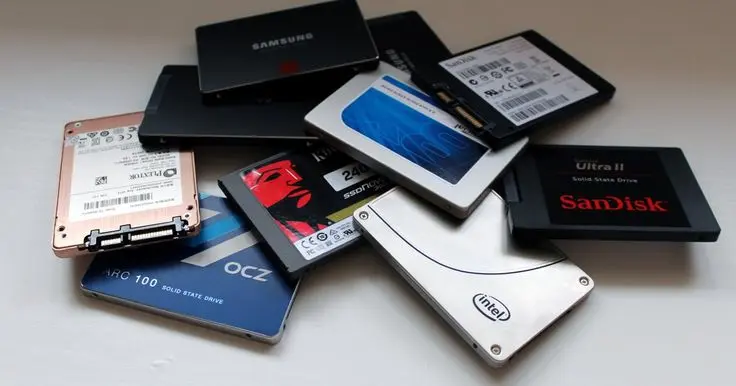
SATA SSDs are the most affordable option and offer significantly better performance than HDDs. However, they are slower than modern NVMe drives.
NVMe SSDs connect directly through the motherboard’s PCIe slots and provide substantially faster speeds. These drives are ideal for gaming and content creation.
PCIe Gen 4 SSDs currently offer an excellent balance between performance and value, while PCIe Gen 5 SSDs deliver the highest speeds available for enthusiasts.
Step 2: Check Motherboard Compatibility
Not every motherboard supports every SSD type.
Before buying an SSD, verify whether your motherboard supports PCIe Gen 4 or PCIe Gen 5 technology. Installing a high-end SSD on an older motherboard may prevent you from achieving maximum performance.
Most modern gaming motherboards include M.2 slots specifically designed for NVMe SSDs. Always review your motherboard specifications before purchasing.
Step 3: Choose the Right Storage Capacity
Storage capacity is another critical factor.
A 500GB SSD may be sufficient for casual gamers, but modern AAA games can exceed 150GB each. Many gamers quickly run out of space after installing only a few titles.
For most users, 1TB serves as a practical starting point. Serious gamers should consider 2TB or larger SSDs to accommodate expanding game libraries and future updates.
Step 4: Compare Read and Write Speeds
SSD performance is often measured through sequential read and write speeds.
Higher read speeds allow games to load faster, while higher write speeds improve installation times and file transfers.
When comparing models, pay attention to both speed ratings and real-world gaming benchmarks. Manufacturers sometimes advertise peak speeds that differ from actual gaming performance.
Step 5: Consider Cooling Solutions
High-performance SSDs can generate considerable heat during intensive workloads.
Many premium gaming SSDs include integrated heatsinks to maintain optimal temperatures. Proper cooling prevents thermal throttling and helps sustain consistent performance during extended gaming sessions.
If your SSD does not include a heatsink, check whether your motherboard provides one.
Step 6: Install the SSD Correctly
Installing an SSD is usually straightforward.
Power off the computer, locate the M.2 slot, insert the SSD at a slight angle, and secure it using the provided screw. After installation, access the BIOS to ensure the drive is detected properly.
Once recognized, format the drive within the operating system and prepare it for game installations.
Step 7: Optimize SSD Performance
After installation, optimize settings for maximum efficiency.
Keep firmware updated, enable TRIM functionality, maintain sufficient free space, and avoid unnecessary background applications that generate excessive disk activity.
Regular maintenance helps preserve SSD health and performance over time.
Benefits of Fastest SSD for Gaming
- Dramatically reduced game loading times
- Faster system boot speeds
- Improved operating system responsiveness
- Quicker game installations and updates
- Better performance in open-world games
- Reduced texture pop-ins
- Enhanced multiplayer loading performance
- Smoother gameplay experience
- Lower power consumption than HDDs
- Silent operation without moving parts
- Increased reliability and durability
- Better support for future gaming technologies
- Faster file transfers
- Improved content creation workflows
- Higher overall PC performance
Disadvantages / Risks
- Higher cost compared to traditional HDDs
- Premium SSDs can be expensive
- Performance gains vary between games
- PCIe Gen 5 SSDs may require additional cooling
- Limited write endurance over many years
- Compatibility issues with older systems
- Larger capacities increase overall cost
- Potential performance degradation if storage becomes nearly full
- Some users may not fully utilize extreme speed capabilities
- Firmware issues can occasionally occur
Common Mistakes to Avoid
One common mistake is purchasing the fastest SSD available without verifying motherboard compatibility. This can result in wasted money because the drive may operate at reduced speeds.
Another frequent error is choosing insufficient storage capacity. Many gamers focus exclusively on speed while overlooking how quickly modern games consume available space.
Ignoring thermal management can also create performance problems. High-speed SSDs generate heat, and inadequate cooling may cause thermal throttling that reduces performance.
Some users fail to update SSD firmware after installation. Firmware updates often improve stability, compatibility, and performance.
Another mistake is filling the SSD completely. Maintaining free space helps preserve performance and prolongs drive lifespan.
Finally, many beginners rely solely on marketing claims instead of examining real-world benchmarks and reviews. Researching products with free SEO tools and trusted review platforms can help identify the most reliable options.
FAQs
1. Does an SSD increase FPS in games?
Generally, SSDs do not significantly increase frame rates. However, they improve loading times, reduce stuttering caused by asset streaming, and enhance overall responsiveness.
2. Is NVMe better than SATA SSD for gaming?
Yes. NVMe SSDs offer much faster read and write speeds than SATA SSDs, resulting in quicker loading times and better overall performance.
3. How much SSD storage do gamers need?
Most gamers should consider at least 1TB. Those who play multiple AAA games may benefit from 2TB or larger capacities.
4. Are PCIe Gen 5 SSDs worth buying?
PCIe Gen 5 SSDs offer exceptional performance, but their value depends on budget and system compatibility. Many gamers still find PCIe Gen 4 SSDs provide excellent performance.
5. Can I use both SSD and HDD together?
Yes. Many users install the operating system and games on an SSD while using an HDD for documents, media files, and backups.
6. How long do gaming SSDs last?
Most modern SSDs can last many years under normal gaming workloads. Manufacturers often rate endurance in terabytes written (TBW), which exceeds the needs of typical gamers.
7. Do SSDs require maintenance?
SSDs require minimal maintenance. Keeping firmware updated, enabling TRIM, and maintaining free storage space are usually sufficient.
8. Which SSD brand is best for gaming?
Popular choices include Samsung, WD Black, Crucial, Kingston, Seagate, and Corsair. The best option depends on performance requirements and budget.
Expert Tips & Bonus Points
Choose reliability over raw speed when selecting a gaming SSD. Small differences in benchmark numbers often produce minimal real-world gaming improvements.
Look for SSDs with strong warranty coverage and positive user reviews. Long warranties often indicate manufacturer confidence in product durability.
Monitor SSD temperatures regularly, especially when using PCIe Gen 5 models. Proper cooling can help maintain peak performance during extended gaming sessions.
Use free SEO tools to analyze gaming hardware trends and discover which SSD models are receiving increased interest among consumers. Trend analysis can reveal emerging products before they become mainstream.
Consider future upgrades when purchasing storage. Investing slightly more today can prevent the need for another upgrade in the near future.
Install your operating system and frequently played games on the fastest SSD available. Less frequently used files can remain on secondary storage devices.
Conclusion
The fastest SSD for gaming has become one of the most valuable upgrades available for modern gaming PCs. While processors and graphics cards remain important, storage speed directly affects how quickly games launch, load, update, and respond during gameplay. As game sizes continue to expand and developers increasingly optimize for high-speed storage technologies, SSD performance becomes even more critical.
For beginners, understanding SSD types, compatibility requirements, storage capacities, and cooling considerations can make the buying process much easier. PCIe Gen 4 SSDs currently offer outstanding value for most gamers, while PCIe Gen 5 models deliver cutting-edge performance for enthusiasts seeking the fastest possible speeds.
Choosing the right SSD requires balancing performance, reliability, capacity, and budget. Avoid common mistakes such as ignoring compatibility, underestimating storage needs, or overlooking thermal management. Researching products thoroughly and utilizing free SEO tools to track gaming hardware trends can help identify the best options available.
Ultimately, upgrading to a high-quality gaming SSD delivers a noticeably smoother and more enjoyable gaming experience. Whether building a new PC or improving an existing system, investing in fast storage remains one of the smartest decisions any gamer can make in 2026 and beyond.