
Introduction
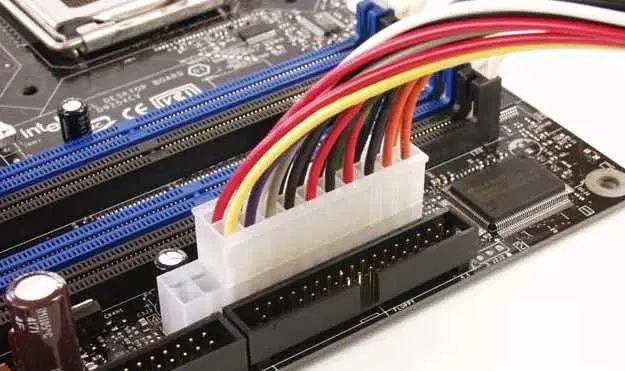
Building a computer can seem complicated for beginners, especially when selecting the right components. One of the most important parts of any PC build is the motherboard. It serves as the foundation that connects all hardware components, including the processor, memory, storage devices, graphics card, and peripherals. Choosing the right motherboard can significantly impact your computer’s performance, upgrade options, and overall value.
Budget motherboards have become increasingly popular because they offer excellent functionality without requiring a large investment. Modern budget motherboards provide many features that were once available only on premium models, making them an ideal choice for gamers, students, office users, and first-time PC builders. Whether you are creating a gaming system, a home office computer, or a content creation workstation, selecting the right affordable motherboard can help you save money while still achieving reliable performance.
Many PC enthusiasts use free SEO tools to compare motherboard specifications and research hardware trends before making a purchase. Understanding how budget motherboards work and what features matter most can help you make an informed decision and avoid overspending on unnecessary features. This guide covers everything beginners need to know about budget motherboards, from understanding their purpose to selecting the best option for their needs.
What is Budget Motherboards?
Budget motherboards are affordable motherboard models designed to provide essential features and functionality at a lower price point than premium alternatives. They support modern processors, memory modules, storage devices, and expansion cards while focusing on cost efficiency. Manufacturers reduce costs by removing advanced features that most average users do not need.
These motherboards are commonly used in entry-level gaming PCs, office computers, educational systems, and home entertainment setups. Despite their lower prices, many budget motherboards offer excellent reliability, compatibility, and upgrade potential. Advances in motherboard technology have made it possible for affordable models to deliver strong performance for everyday computing tasks and moderate gaming workloads.
For beginners, budget motherboards provide an excellent balance between cost and functionality. Instead of paying for features such as extreme overclocking support, multiple graphics card configurations, or advanced cooling systems, users can invest their savings into more impactful components such as a faster processor or better graphics card.
Why is Budget Motherboards Important?

Budget motherboards play a crucial role in helping users build affordable yet capable computer systems. Since the motherboard connects all hardware components, selecting the right model ensures compatibility, stability, and future upgrade opportunities. A well-chosen budget motherboard can support powerful processors, fast memory, and modern storage devices without exceeding a limited budget.
The importance of budget motherboards extends beyond cost savings. They enable students, gamers, remote workers, and small business owners to access reliable computing performance without spending excessive amounts of money. For many users, a budget motherboard provides all the features needed for daily tasks while maintaining system stability and longevity.
Another reason budget motherboards are important is that they allow builders to allocate more of their budget toward performance-critical components. Instead of purchasing an expensive motherboard packed with features they may never use, users can invest in better graphics cards, processors, SSDs, or RAM. This often results in a more balanced and efficient computer build overall.
Detailed Step-by-Step Guide
Step 1: Determine Your Purpose
Before selecting a motherboard, identify how you plan to use your computer. Different use cases require different features and capabilities.
Gaming PCs may need PCIe support for graphics cards and high-speed memory compatibility. Office systems generally prioritize stability and connectivity. Content creators may require additional storage options and memory expansion capabilities.
Understanding your primary purpose helps narrow down motherboard choices and prevents unnecessary spending on features that will not be used.
Step 2: Choose the Right CPU Platform
Motherboards are designed for specific processor families. Intel and AMD processors use different sockets and chipsets.
If you choose an Intel processor, ensure the motherboard supports the correct socket generation. For AMD systems, verify compatibility with the selected Ryzen processor series.
CPU compatibility is one of the most important considerations because an incompatible motherboard will not function with your chosen processor.
Step 3: Select an Appropriate Chipset
The chipset determines available features, connectivity options, and expansion capabilities.
Entry-level chipsets are ideal for budget-conscious users who need basic functionality. Mid-range chipsets provide additional features such as faster connectivity and better expansion support.
Researching chipset capabilities can help you find the best balance between affordability and functionality.
Step 4: Check RAM Support
Memory compatibility is another critical factor when selecting a motherboard.
Review the maximum RAM capacity supported by the motherboard. Most modern budget motherboards support at least 32GB or 64GB of memory, which is sufficient for most users.
Also verify supported memory speeds and the number of available memory slots. Additional slots provide greater upgrade flexibility in the future.
Step 5: Evaluate Storage Options
Storage connectivity affects both performance and upgrade potential.
Look for motherboards with M.2 slots for NVMe SSDs, which offer significantly faster speeds than traditional SATA drives. Multiple storage connections provide flexibility for future upgrades.
A motherboard with adequate storage support can help maximize system performance and longevity.
Step 6: Review Expansion Slots
Expansion slots determine what additional hardware can be installed later.
Most budget motherboards include PCIe slots for graphics cards, network adapters, and sound cards. Ensure there are enough slots available for your planned upgrades.
Future expansion capabilities can extend the useful lifespan of your computer.
Step 7: Consider Connectivity Features
Modern users rely on various connectivity options.
Check for USB ports, audio outputs, Ethernet connectivity, and wireless networking support. Some budget motherboards include built-in Wi-Fi and Bluetooth, while others require separate adapters.
Connectivity features should align with your intended usage and peripheral requirements.
Step 8: Assess Build Quality
Build quality influences reliability and durability.
Look for motherboards from reputable manufacturers with solid customer reviews. High-quality capacitors, heatsinks, and power delivery components contribute to long-term stability.
Reliable hardware can reduce maintenance issues and improve overall user experience.
Step 9: Compare Prices
Price comparisons help identify the best value.
Use multiple retailers and hardware comparison websites to evaluate pricing. Many users rely on free SEO tools and product research platforms to track hardware trends and compare specifications effectively.
Avoid selecting the cheapest motherboard solely based on price. Consider features, reliability, and future upgrade potential.
Step 10: Read User Reviews
Customer reviews often reveal real-world experiences that specifications alone cannot provide.
Look for feedback regarding stability, BIOS updates, compatibility, and long-term reliability. Consistent positive reviews are usually a good indicator of product quality.
Reviewing user experiences can help avoid common purchasing mistakes.
Benefits of Budget Motherboards
- Affordable pricing for budget-conscious users
- Excellent value for entry-level and mid-range systems
- Supports modern processors and memory technologies
- Suitable for gaming, office work, and home use
- Lower overall PC building costs
- Allows more budget allocation for performance components
- Easy availability from major manufacturers
- Reliable performance for everyday tasks
- Good upgrade potential in many models
- Energy-efficient operation
Disadvantages / Risks
- Limited overclocking capabilities
- Fewer premium features than high-end models
- Reduced number of expansion slots
- Basic cooling solutions
- Fewer USB and connectivity options
- Potentially limited future compatibility
- Lower-quality audio components in some models
- Fewer PCIe lanes for advanced hardware setups
- Basic BIOS functionality on entry-level models
- Limited support for multiple graphics cards
Common Mistakes to Avoid
One common mistake is choosing a motherboard without verifying CPU compatibility. Always confirm that the motherboard supports your selected processor generation and socket type.
Another frequent error involves ignoring future upgrades. Some users purchase the cheapest motherboard available and later discover they cannot add more memory, storage, or expansion cards.
Many beginners also overlook storage support. A motherboard lacking sufficient M.2 slots may limit future SSD upgrades and reduce flexibility.
Focusing exclusively on aesthetics can also be problematic. RGB lighting and decorative heatsinks may look appealing but often provide little practical value compared to essential features.
Failing to research manufacturer reputation is another mistake. Reliable brands typically offer better BIOS support, warranty coverage, and long-term stability.
Finally, neglecting connectivity requirements can cause frustration. Verify that the motherboard includes the ports and networking features needed for your devices and workflow.
FAQs
1. What is the best budget motherboard for beginners?
The best budget motherboard depends on your processor choice, intended use, and budget. Beginners should prioritize compatibility, reliability, and upgrade potential rather than advanced premium features.
2. Are budget motherboards good for gaming?
Yes, many budget motherboards are excellent for gaming. They support modern processors, graphics cards, and high-speed memory while providing reliable performance for most gaming scenarios.
3. How much should I spend on a budget motherboard?
Most quality budget motherboards fall within an affordable price range that balances functionality and value. Spending slightly more for better features and reliability can often be worthwhile.
4. Can I upgrade my PC later with a budget motherboard?
Many budget motherboards support future upgrades, including additional memory, storage devices, and graphics cards. Check expansion options before purchasing.
5. Do budget motherboards support SSDs?
Yes, most modern budget motherboards support both SATA SSDs and NVMe M.2 SSDs. NVMe drives typically offer significantly faster performance.
6. Is Wi-Fi included on budget motherboards?
Some budget motherboards include integrated Wi-Fi, while others require a separate wireless adapter. Review specifications carefully before purchasing.
7. Are expensive motherboards always better?
Not necessarily. Premium motherboards often include advanced features that many users never utilize. A quality budget motherboard may provide all the functionality required for everyday computing and gaming.
8. How long do budget motherboards last?
With proper use and maintenance, budget motherboards can last many years. Longevity depends on build quality, usage patterns, environmental conditions, and component quality.
Expert Tips & Bonus Points
Choose a motherboard that supports at least one future processor upgrade path if possible. This can extend the life of your system and reduce future upgrade costs.
Prioritize VRM quality over cosmetic features. Better power delivery contributes to stability and overall performance.
Consider the total system budget rather than focusing solely on the motherboard. A balanced build often delivers better performance than investing heavily in one component.
Update the BIOS when necessary to improve compatibility, stability, and security. Follow manufacturer guidelines carefully during updates.
Keep airflow in mind when building your PC. Even budget motherboards benefit from proper case ventilation and cooling.
Read professional reviews alongside customer feedback. Combining both perspectives provides a more complete understanding of a motherboard’s strengths and weaknesses.
Use free SEO tools and hardware comparison platforms to identify popular motherboard models, compare specifications, and discover trending recommendations before making a purchase.
Conclusion
Budget motherboards have become an essential component for cost-effective PC building. They provide the foundation for reliable and capable computer systems while helping users stay within their financial limits. Modern budget motherboards offer impressive features, strong compatibility, and excellent performance for everyday computing, gaming, education, and professional workloads. For beginners, they represent one of the smartest ways to build a balanced and efficient PC without overspending on unnecessary premium features.
Choosing the right budget motherboard requires careful consideration of processor compatibility, chipset features, memory support, storage options, connectivity, and future upgrade potential. By understanding these factors, users can make informed decisions that maximize value and long-term satisfaction. Researching product specifications, reading customer reviews, and comparing available options can significantly improve the purchasing process.
While budget motherboards may lack certain high-end features, they often provide everything most users need for a dependable computing experience. The key is selecting a motherboard that aligns with your specific goals and planned hardware configuration. With proper planning and smart component selection, a budget motherboard can serve as the backbone of a powerful and reliable PC for years to come.